Head & Neck Cancer Support Network Trust Community News April 2026
A Warm Start in Whangārei: Our First Support Group Hui
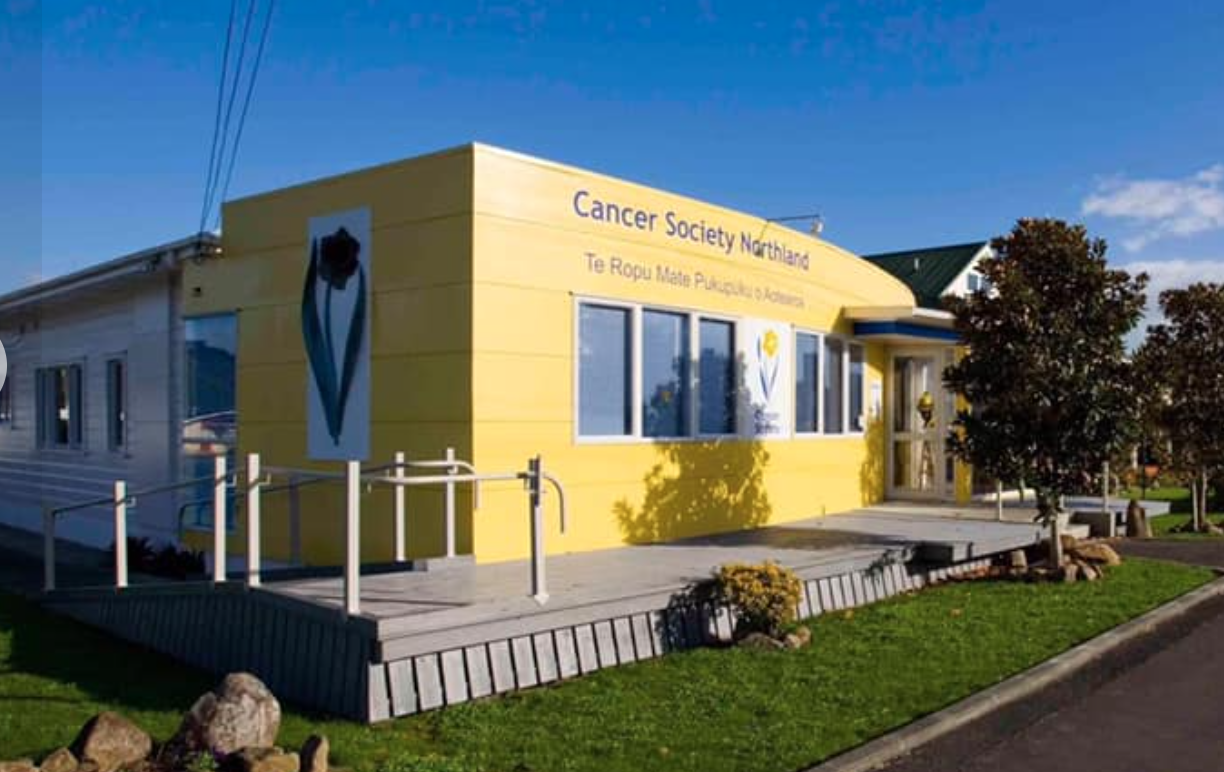
We had a wonderful start to our first Head and Neck Cancer Support Network Support Group Hui in Whangārei on Wednesday. It was great to connect with patients, whānau, and the Cancer Society, and to share experiences of living with and beyond head and neck cancer together. 💛
On Wednesday, we were delighted to hold our first Head and Neck Cancer Support Network Support Group Hui in Whangārei — and what a positive beginning it was. 🌿
We were pleased to welcome patients, whānau, and representatives from the Cancer Society. It was especially meaningful to meet new people in person, share experiences, and talk openly about what it’s like to live with and beyond head and neck cancer. These conversations help remind us all that no one has to walk this path alone.
There was a strong sense of connection in the room. People spoke honestly about the practical and emotional challenges they face, and just as importantly, about the strategies and supports that are helping them move forward. Building these relationships locally creates a foundation for ongoing support in Northland — something we are very excited about. 🤝
We are already looking ahead and plan to hold another Whangārei Support Group Hui in October. We warmly encourage both patients and caregivers to attend. Caregivers often tell us that these gatherings are especially valuable for them — sometimes even more so than for the patient — because they provide a space to share their own experiences, ask questions, and connect with others who understand the caregiving journey. 💛
Thank you to everyone who came along and helped make this first hui such a success. We look forward to seeing familiar faces again — and welcoming new ones — later in the yea
-
3 May International Cancer Survivorship Day
30 May [ONLINE] Support Groups: What They Are, What They Aren’t, and How to Join
1 June Cancer Survivors Day
14 August Cancer Nurses Day
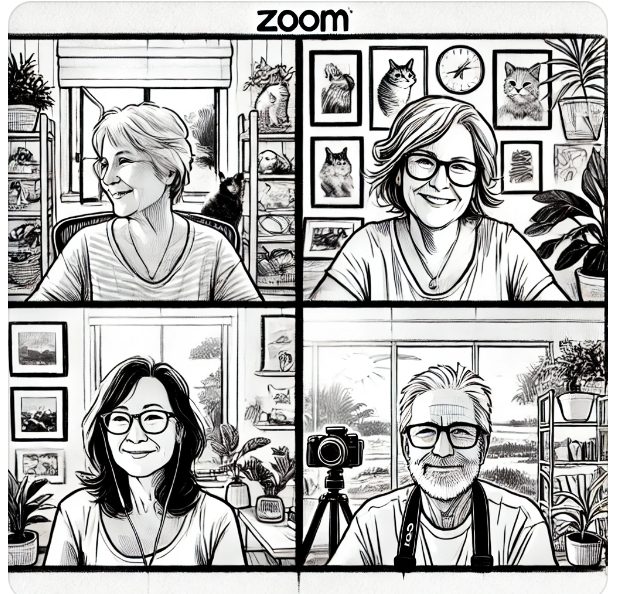
30 May 4 pm [ONLINE] Support Groups: What They Are, What They Aren’t, and How to Join
New Online Session: Understanding Support Groups – and How to Join
The Head and Neck Cancer Support Network Trust is hosting a new online learning session designed to help people better understand support groups and how they can help after a diagnosis of head and neck cancer.
Many people tell us they are unsure what support groups are like, or whether they are “for them.” This session is designed to answer those questions clearly and simply—so people can make an informed choice about joining in.
What the session will cover
In this session, we will talk about:
What support groups are and how they can help
What actually happens in a meeting (online and in person)
What support groups are not
The values that guide our groups, including respect, safety, and manaakitanga
How to join a group, if and when the time feels right
There is no pressure to speak or share—people are welcome to simply listen and learn.
Who is this for?
This session is open to:
People affected by head and neck cancer
Whānau and carers
Health professionals supporting patients
Why attend?
Support groups can reduce isolation, provide practical advice from lived experience, and help people feel more confident as they move through and beyond treatment. This session is a simple way to explore whether a support group might be right for you—or for someone you support.
Register now
If you’ve ever wondered what support groups are like, or how to take the first step, we warmly invite you to join us.
👉 Register now to receive the Zoom link and session details. LINK
We look forward to seeing you there.
Another way to join a Support Group

Want to do something different than Facebook?
We know Facebook isn’t for everyone — and sometimes you just want something simpler, more private, and easier to keep up with.
That’s why we’ve created a WhatsApp group for our community 💚
It’s a space for real-time connection, quick check-ins, and support when you need it most — without the noise of social media. Whether you prefer reading quietly or joining the conversation, you’re very welcome.
If you’ve been looking for a more personal way to stay connected, this might be the right fit for you.

World Voice Day: Finding and Protecting your voice
16 April, 2026
Each year on World Voice Day (16 April), people around the world take time to recognise just how important the human voice is in our daily lives. For our community, this day carries particular meaning.
For many people living with or beyond head and neck cancer, changes to the voice can be one of the most visible and deeply felt effects of treatment. Whether temporary or permanent, these changes can influence how we communicate, how we connect with others, and how we see ourselves.
Your voice is more than sound. It carries personality, identity, humour, emotion, and connection. Losing or adapting to changes in your voice can feel like losing a part of yourself — and that is something many people in our community understand deeply.
Why voice changes matter so much
Head and neck cancer treatments can affect the structures involved in speaking, breathing, and swallowing. Surgery, radiotherapy, and chemotherapy can all influence how the voice sounds or how easily it can be produced.
People often tell us that voice changes affect:
confidence in social situations
returning to work
speaking on the phone
relationships with whānau and friends
participation in community life
Caregivers are affected, too. Changes in communication can shift everyday routines and relationships in unexpected ways. That’s why voice conversations are an important part of survivorship.
What is “voice banking”?
One option that some people choose before treatment is voice banking.
Voice banking means recording your natural speaking voice while it is still strong. Those recordings can later be used to create a personalised digital voice that sounds like you. If speaking becomes difficult in the future, this voice can be used with assistive communication technology.
Two well-known voice-banking tools include:
ModelTalker
Acapela My Own Voice
These tools guide you through recording a set of phrases that are then transformed into a synthetic version of your own voice. Many people find reassurance in knowing this option is available, even if they never need to use it.
If you are newly diagnosed, it can be helpful to talk with your speech-language therapist about whether voice banking might be right for you.
Finding your voice again after treatment
Not everyone chooses—or has the opportunity—to bank their voice before treatment. The good news is that there are still many ways to communicate confidently and meaningfully afterwards.
Support can include:
speech-language therapy
voice rehabilitation exercises
electrolarynx devices
communication apps or text-to-speech tools
peer support from others who have adapted to voice changes
Many people discover that while their voice may sound different, their ability to express themselves, connect with others, and be heard remains strong. Sometimes the journey involves learning new strategies—but you are not alone in that process.
Your voice still matters
World Voice Day is a reminder that every voice has value—including voices that sound different after treatment.
Whether you are preparing for treatment, adjusting to changes, supporting someone else, or learning new ways to communicate, your experiences and your story are important. In our community, we continue to celebrate every way people find to share their voice—spoken, typed, assisted, or simply understood.
-
https://www.headandneck.org.nz/donations
Thank you for your continued support.
-
If you are new to head and neck cancer, or back in treatment, we have a support pack for you. You can find all the details here. https://www.headandneck.org.nz/patient-planner
If you would like some brochures to introduce the Head and Neck Cancer Support Network Trust to your family and friends, please feel free to contact us headandnecknetwork@gmail.comThe New Zealand Cancer Society has a booklet Understanding Head and Neck Cancer you can access it here. Understanding Head and Neck Cancer
We have a toolkit designed specifically for those who stand beside us through the head and neck cancer journey. You can access it here https://www.headandneck.org.nz/light-keepers
-
Check out our latest articles. Curated articles related to the treatment, care and support of those affected by Head and Neck Cancer. https://www.headandneck.org.nz/advancements
-
We welcome contact from our head and neck cancer community, including whānau and friends. Please feel welcome at any of these contact points. https://www.headandneck.org.nz/contact-us
A word from our Chair
Kia ora koutou,
It has been a mixed month for me as Chair of the Head and Neck Cancer Support Network Trust, and I wanted to share a little of that honestly with you.
Like many in our community, I have recently found myself struggling to obtain an appointment in the health system. Even with experience navigating the system, this has been stressful and unsettling. It has reminded me again just how difficult things can feel when you are waiting for answers about the next step in your health journey.
I have also been deeply affected by what I have been hearing from people in our community about their recent experiences in the health system. Listening to those stories matters. They are not just accounts of appointments and pathways — they are stories about people’s lives, their whānau, and their sense of safety and confidence in care. As a network, we carry those voices with us.
At the same time, this is an election year. That brings opportunity as well as responsibility. We have a real chance to speak clearly about what people affected by head and neck cancer need — not only during treatment, but in survivorship and everyday life afterwards. Advocacy can feel like a big task, and sometimes it is. But it is also one of the most powerful things we can do together.
I want you to know that I am not discouraged or deterred from this work. If anything, these experiences strengthen my commitment to it. However, I am very aware that this works best when carried collectively.
If you have the energy to help — by sharing our messages with candidates, talking with your local MP, attending a support group, welcoming someone new into the community, or simply staying connected with us — it makes a real difference. Every small action helps lighten the load and strengthens our voice.
This network has always been built on people walking alongside each other. Thank you for continuing to do that with me.
Nga mihi nui,
Diana Ayling
Chair
Head and Neck Cancer Support Network Trust