Head & Neck Cancer Support Network Trust Community News March 2026
Why Oral Health Matters After Head and Neck Cancer
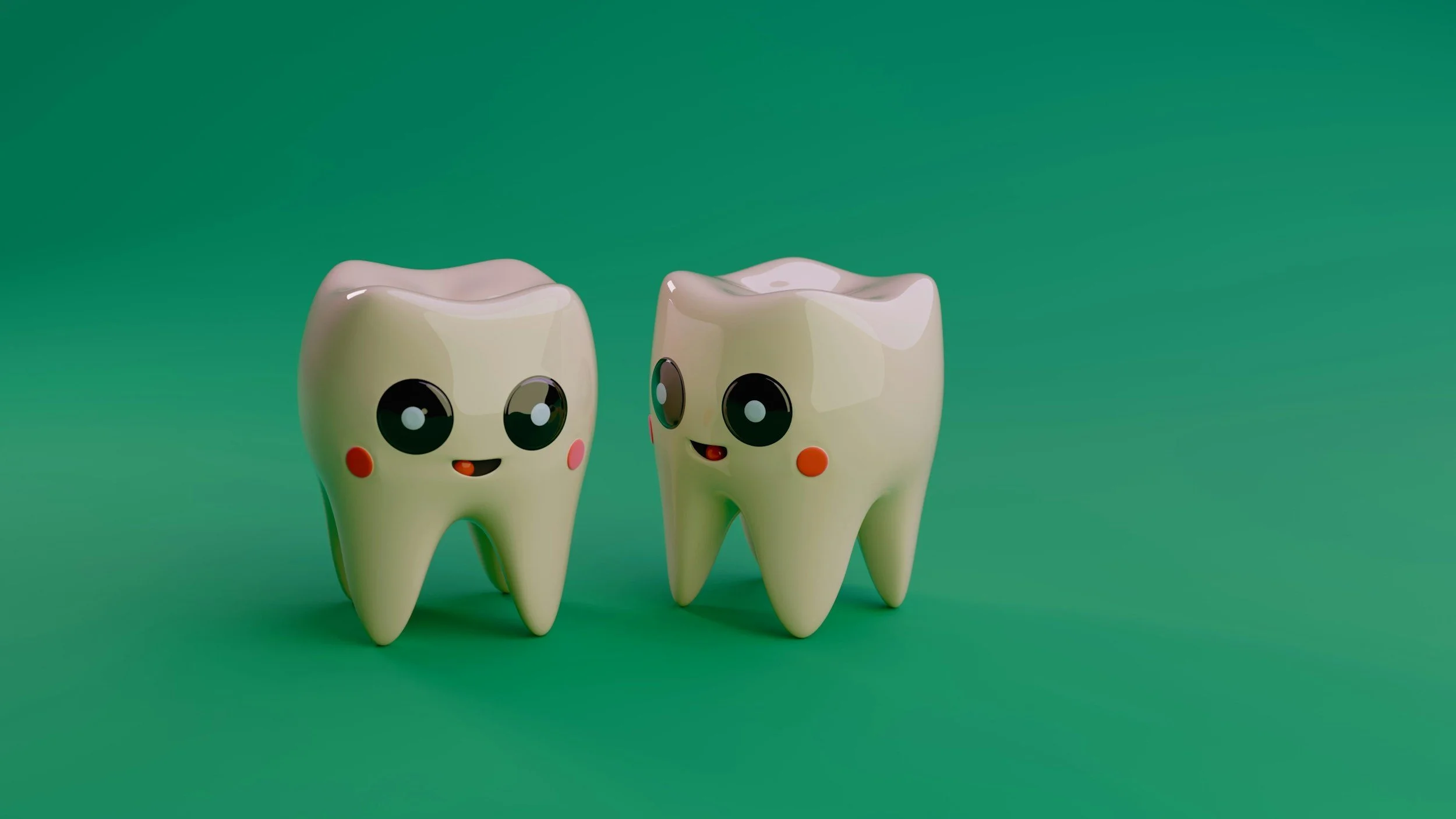
March includes World Oral Health Day on 20 March, which is a good reminder for our community to check in on our oral health.
Many head and neck cancer treatments can affect the mouth in lasting ways. Radiation and surgery may cause:
Dry mouth (xerostomia)
Increased risk of tooth decay
Sensitive gums and teeth
Changes in taste
Difficulty opening the mouth or swallowing
Because saliva helps protect teeth and gums, people with dry mouth are more vulnerable to dental problems. Regular dental care and daily routines become even more important.
If you have not seen your dentist recently, this month might be a good time to schedule a check-up.
Small Daily Habits That Can Help
Many survivors tell us that developing a simple daily routine helps maintain comfort and confidence.
Helpful habits may include:
• Brushing gently with a soft toothbrush twice a day
• Using high-fluoride toothpaste if recommended by your dentist
• Drinking water frequently to manage dry mouth
• Avoiding sugary drinks and frequent snacking
• Using saliva substitutes or mouth moisturisers if needed
• Doing jaw and swallowing exercises if recommended by your care team
Always talk to your dentist or specialist team before making changes, especially if you have had radiation treatment.
You Are Not Alone
Many people quietly struggle with oral health challenges after treatment. It can feel frustrating or embarrassing, but these experiences are very common.
One of the strengths of our community is that we can talk openly about these issues and learn from one another.
If you have tips that have helped you manage dry mouth, dental care, or swallowing challenges, we would love you to share them with the community. Email us at headandnecknetwork@gmail.com, and we will put together a Tips Sheet.
Listening and sharing are both forms of support.
-
1 April, Oral Cancer Awareness Day.
15 April, 2 pm: Te Tokerau Support Group meeting, Daffodil House, 73 Kensington Road, Whangarei.
3 May International Cancer Survivorship Day
1 June Cancer Survivors Day
14 August Cancer Nurses Day
Why Our Community Should Support the Dental for All Campaign
Many people in our head and neck cancer community know first-hand how important oral health is to overall well-being. That is why the Dental for All Coalition campaign currently underway in Aotearoa New Zealand is so relevant to us.
In New Zealand, dental care is free for children under 18, but most adults must pay privately for treatment. As a result, many people delay or avoid seeing a dentist because of the cost. Research suggests that around 40–45% of New Zealanders have unmet dental care needs due to cost, with even higher rates among Māori and Pasifika communities.
For people who have experienced head and neck cancer, this gap in care can be particularly concerning. Treatments such as surgery, chemotherapy, and radiation can have long-term effects on the mouth, teeth, and jaw. Regular dental care is not a luxury for our community — it is an essential part of survivorship.
The goal of the Dental for All campaign is to bring dental care into the public health system so everyone can access regular check-ups and basic treatment when needed. The campaign is supported by a coalition of health professionals, community organisations, and oral health advocates who believe oral health should be treated as an essential part of healthcare.
For our community, supporting better access to dental care is also about equity. Good oral health helps people eat, speak, smile, and participate fully in life. When dental care is out of reach, the consequences can affect physical health, confidence, employment, and quality of life.
As a community that understands the importance of oral health, we have a voice in conversations about how healthcare should work in Aotearoa New Zealand. Supporting efforts to improve access to dental care helps ensure that future patients and survivors receive the care they need to live well after cancer. https://www.dentalforall.nz/

Tai Tokerau Support Group Meeting
15 April, 2 pm: Te Tokerau Support Group meeting, Daffodil House, 73 Kensington Road, Whangarei.
-
https://www.headandneck.org.nz/donations
Thank you for your continued support.
-
If you are new to head and neck cancer, or back in treatment, we have a support pack for you. You can find all the details here. https://www.headandneck.org.nz/patient-planner
If you would like some brochures to introduce the Head and Neck Cancer Support Network Trust to your family and friends, please feel free to contact us headandnecknetwork@gmail.comThe New Zealand Cancer Society has a booklet Understanding Head and Neck Cancer you can access it here. Understanding Head and Neck Cancer
We have a toolkit designed specifically for those who stand beside us through the head and neck cancer journey. You can access it here https://www.headandneck.org.nz/light-keepers
-
Check out our latest articles. Curated articles related to the treatment, care and support of those affected by Head and Neck Cancer. https://www.headandneck.org.nz/advancements
-
We welcome contact from our head and neck cancer community, including whānau and friends. Please feel welcome at any of these contact points. https://www.headandneck.org.nz/contact-us
Kia ora friends,
Looking after ourselves
As we move into autumn, many of us are settling into the rhythm of another year of living with and beyond head and neck cancer. Recovery is not always straightforward. Some days feel strong and hopeful, while others remind us that healing takes time.
This month, we are focusing on something very important for our community – taking care of our oral health. Treatment for head and neck cancer can leave lasting effects on the mouth, teeth, and throat. Dry mouth, sensitive teeth, swallowing difficulties, and jaw stiffness are challenges many of us share.
The good news is that small steps can make a big difference. Regular dental care, good daily habits, and talking openly with health professionals can help prevent problems and improve comfort.
Our network exists so none of us has to navigate these challenges alone. When we share our experiences and support one another, we make the journey easier for everyone. You are most welcome to join our closed Facebook group at any time to share your journey with a small, kind, and supportive group of patients and whānau. https://www.facebook.com/groups/headnecknz
Thank you for being part of this community.
Nga mihi nui,
Diana Ayling
Chair
Head and Neck Cancer Support Network Trust